Conservation
A Beginner's Guide to Moorland Conservation Volunteering
Moorland looks empty from a distance. Get closer and you find a landscape held together by work: blocked gullies, stone-pitched paths, sphagnum pressed into bare peat, drystone walls that have stood for two centuries and still need repairing. Most of that work is done by volunteers, and almost every volunteer started exactly where you are now — with a pair of boots and only a vague idea of what a task day involves.
What Moorland Volunteers Actually Do
The work is more varied than most people expect, and no group will hand you a chainsaw on day one. Tasks fall into a few broad families. Vegetation management means cutting and raking bracken, pulling birch and pine seedlings out of heather, or clearing scrub that is creeping across open ground. Peatland restoration is often the headline job: building small dams in eroded gullies using stone, timber or heather bales, planting sphagnum plugs, or spreading brash across bare peat to hold it in place.
Access work keeps people on the path rather than through the moss. You might be building stone steps, clearing drainage channels, or helping a waller repair a gap in a boundary. Then there is the quiet work — bird counts, plant recording, checking water levels in restoration plots. That suits anyone who prefers a clipboard to a mattock, and the data genuinely feeds into how sites are managed.
A typical task list for a winter day might include:
- Cutting and burning or removing scrub from an area of open moor
- Blocking a gully with heather bales or stone dams
- Planting sphagnum and cotton grass on bare peat
- Repairing a section of eroded footpath
- Clearing litter and old fencing wire from a remote stretch
Finding a Task Day Near You
Search for "practical conservation volunteering" or "task day" rather than just "volunteering" — those phrases tend to surface the hands-on opportunities. National park authorities, Wildlife Trusts, the National Trust, RSPB reserves and upland restoration partnerships all run regular work parties, as does The Conservation Volunteers. Local groups are often the easiest entry point because they are smaller and less formal.
A few things are worth checking before you commit:
- Where you meet. Moors are remote; some groups meet at a village car park and drive in convoy, others expect you to find a grid reference on a single-track road.
- Walking distance to the work site. A forty-minute walk in with tools is normal, and it happens at both ends of the day.
- Group size and age limits. Places are often capped, and some sites require under-18s to be accompanied.
- What is provided. Most groups supply tools, gloves and training. Fewer supply waterproofs.
Book early. Small groups fill up quickly in spring and autumn, and many pause over the nesting season.
How a Typical Day Runs
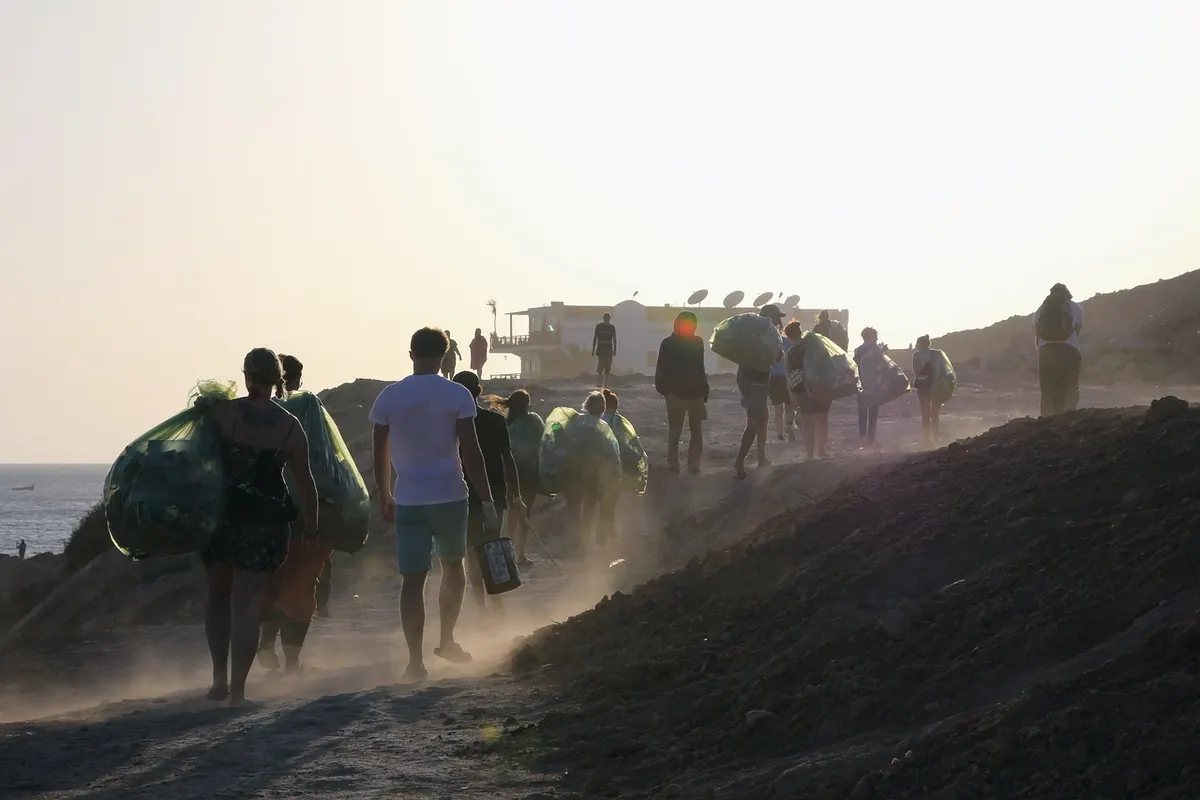
You will meet between 9am and 10am, usually in a car park or at a reserve entrance. The leader gives a safety brief, explains what the site needs and why, then hands out tools. Everyone walks to the work area together. Expect to stop for lunch around midday, sitting on whatever dry ground you can find, and to finish back at the vehicles by mid-afternoon.
Weather changes plans. If the wind is strong enough to make carrying boards unsafe, you may end up on a lower, more sheltered task instead. That is normal, and the leader's decision is final for good reasons.
Be honest about your fitness and any injuries at the start. Nobody expects you to shift stone all day, and there is always lighter work — raking, carrying, recording, making tea.
What to Pack
Layers matter more than anything else. Moorland weather shifts fast, and you will be standing still in wind at some point.
- Worn-in boots with ankle support and real grip
- Waterproof jacket and trousers
- A fleece or mid-layer, plus a spare dry layer in a dry bag
- Avoid cotton next to your skin; it stays cold when wet
- One and a half to two litres of water and a packed lunch
- Sun cream and a hat in summer; midge repellent from June onwards
- Personal medication, blister plasters and a tick removal tool
- A rucksack you can carry tools in, and a spare pair of socks
Staying Safe and Comfortable
Moorland ground is uneven, wet and often hidden under heather. Walk at a pace you can keep up all day, watch where you put your feet, and stay within sight of the group. Mobile signal is patchy to nonexistent, so tell someone at home where you are going and when you expect to be back.
Ticks are a real consideration from spring to autumn, particularly in bracken and long grass. Tuck trousers into socks, check yourself thoroughly afterwards, and remove any tick promptly with fine tweezers or a removal tool. If you have an existing health condition, are unsure about vaccinations, or later notice a rash or feel unwell after a bite, speak to your GP or a pharmacist — that is a conversation for a medical professional, not a task leader.
Getting Better at It Over Time
One day out is a taste; returning to the same site is where it gets interesting. You start to recognise the gully you helped dam, the plug of sphagnum that took, the path that has stopped eroding. Skills like drystone walling and gully blocking take years to learn properly, and most groups are delighted to teach someone who keeps turning up.
Turn up twice and you are a regular. Turn up for a season and you are part of the site.
Keep a rough note of what you have done. It is useful if you are working towards an award scheme, building a CV, or simply trying to remember which winter you planted which slope.
Your First Step
Pick one organisation, find one task day within reasonable driving distance, and book it. Read the joining instructions properly the night before, pack your bag then rather than in the dark, and leave earlier than you think you need to. When you arrive, say it is your first time — leaders would much rather know. Work at your own pace, drink more water than feels necessary, and sign up for the next one before the ache in your legs has worn off.
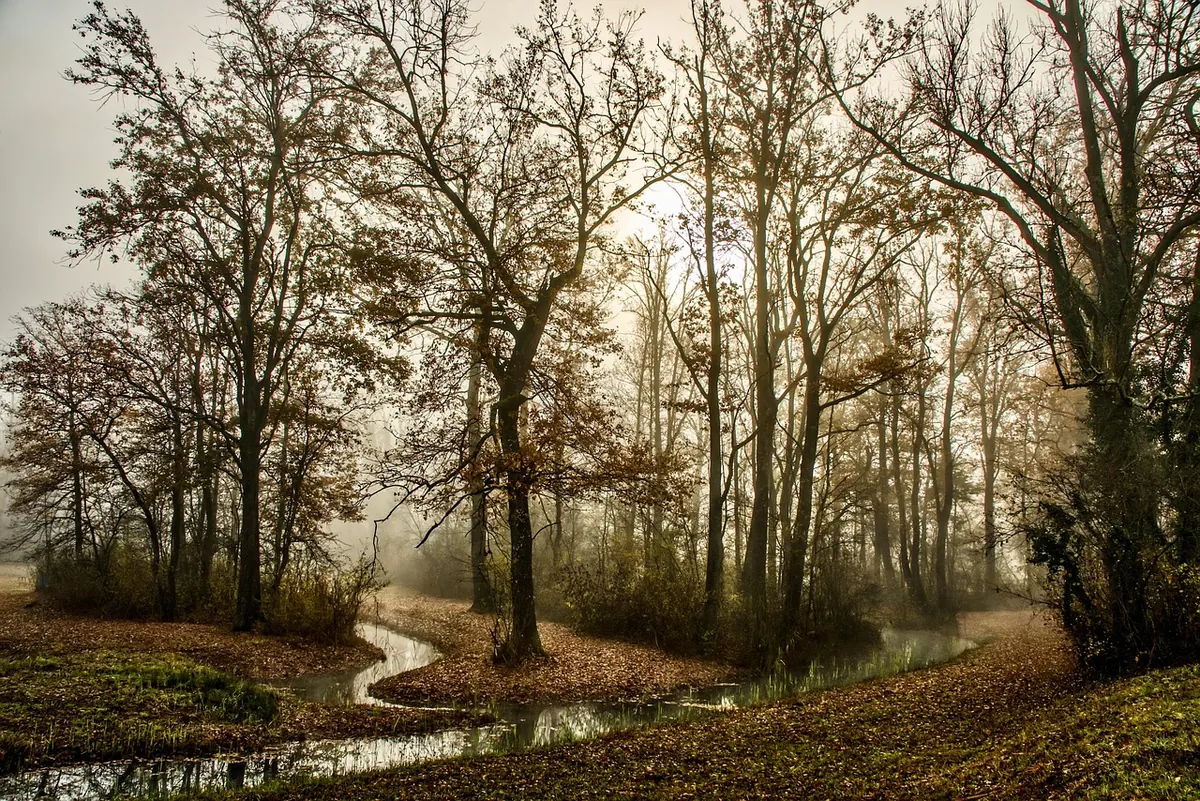
Photo: Peggy_Marco / Pixabay
Related Articles