Rural Life
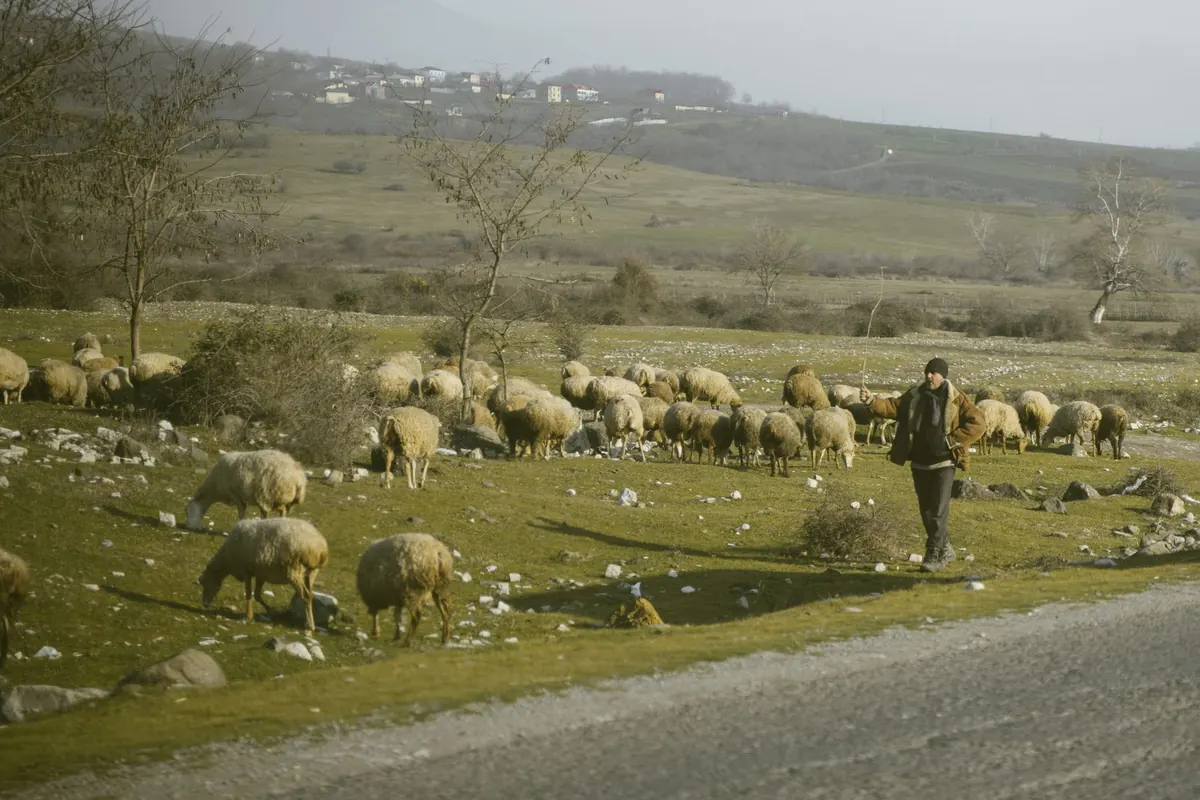
Rural Life on the Moor: A Year in the Life of a Hill Farmer
There is a rhythm to a hill farm that has less to do with the calendar than with the weather. A farmer in the Cheviots or mid-Wales reads the sky the way other people read a diary: gales push work back a day, a dry spell brings it forward. The year still turns, but it turns at the pace of grass, fleece and daylight. Here is what that looks like from the yard gate.
Late winter: feeding, watching, waiting
January on the moor is mostly a job of carrying. Hay and silage go out on the tractor or off the back of a quad, into ring feeders and along the ground for ewes that are heavy in lamb. Grass has stopped growing, so everything the flock eats has to be brought to it. Rations are worked out to keep condition on the ewes without making them fat; a thin ewe in February usually means a small, weak lamb in April.
Then there is the ice in the troughs, and the snow on the hill road. Sheep hefted to a stretch of moor for generations will find the sheltered ghylls and the lee of a wall without being told. Newcomers won't. That is why straying is one of the quiet annoyances of winter, and why good boundaries — a wall, a fence, or simply a hefted flock's habit — matter more than any gadget you can buy.
Spring: lambing against the odds
Lambing on exposed ground is not a pastime. Ewes are scanned in midwinter so the farmer knows roughly what is coming, and pens, iodine, colostrum and a warm box are ready long before the first ewe shows signs. Snow can arrive in April. A ewe that lambs in a blizzard needs finding fast, and finding her means walking ground that most people avoid in summer.
The work itself is repetitive and unsentimental: check, move on, check again. Pet lambs end up in the kitchen or the back porch. Foxes, ravens and crows take their share, and any farmer will tell you the difference between a natural loss and a slaughter. Marking, ringing and recording follow once the lambs are strong enough to handle. Everyone is tired, and the kettle is never off.
Early summer: gathering and clipping
Then comes the gathering. On common land, neighbours still bring the hill down together, moving sheep through gates that have names older than the tractors passing through them. Dogs work the steep ground; quad bikes take the flatter tops. Sorting in the pens afterwards takes most of a day and involves a fair amount of argument.
Shearing follows, usually with a contractor and a small gang. A good shearer takes a fleece off cleanly and leaves the ewe in better shape than she arrived. Fleece quality varies with breed and weather, and the wool cheque is rarely what it once was. Then come pour-on treatments, foot trimming where it is needed, and the first of the summer shows — small, local, and full of the same faces you saw at the gathering.
High summer: the maintenance that never ends
Midsummer work is mostly about making the place hold together. Hay or silage is cut when the forecast allows, turned, and brought in with one eye on the sky. Fences are strained, gaps gapped, walls rebuilt stone by stone where the weather has pushed them out. Rushes are topped, troughs cleaned, bracken and ticks pushed back. Flies make the cattle miserable and the sheep restless.
On heather moorland this is also the season to leave the hill alone. Burnt patches from late winter sprout fresh growth, and the ground-nesting birds have done their work. Heather burning is skilled work, done on a rotation, in small strips, on mineral soil rather than deep peat, and only in the narrow window when it is dry enough to carry and wet enough to stop. Get it wrong and you can lose a decade of growth in an afternoon.
Autumn: tupping, sales and hard decisions
Autumn is a season of choices. Rams go in from late October, wearing a raddle so the farmer can see which ewes have been served and roughly when lambs are due. Poor-doers are drawn off and sold as stores. Rams come out again after six or seven weeks, and the ewes go back to the hill to weather the winter on their own.
Store sales fill the market with people who have known each other for thirty years. Afterwards come the quieter decisions: which ewes to keep, which to cull, which fields to rest. Ask three farmers and you will get four answers. The one that matters is the one that fits your ground and your flock.
Winter again: short days, big weather
By December the light is gone by four, and the work compresses into a tight routine:
- Feed and check stock twice a day, more often in bad weather.
- Keep a route open to the fields, plus a stock of grit, fuel and spare batteries.
- Walk the in-bye sheep daily; count them and look for limpers.
- Repair walls and gates, sort wool, service the tractor before it is needed.
- Catch up on paperwork: flock records, medicine books, scheme claims.
Some days are simply about survival of the routine. A farmer working alone on the hill should tell someone where they are going and when they expect to be back. Mobile signal in a ghyll is not something to bet your afternoon on.
What keeps a moorland farm going
If you walk or ride on moorland, small things help more than you would think.
- Keep dogs on a lead near livestock, and let go of the lead rather than be dragged if a ewe charges.
- Close gates behind you, and leave them as you found them.
- Never feed stock, and do not assume a field is empty because you cannot see sheep.
- Park in passing places, not in gateways or on verges that will not take the weight.
- Ask before crossing a yard during lambing or gathering.
If you are drawn to the life yourself, the honest advice is to try it before you commit. A lambing season on a working hill farm will teach you more than any book or forum. Talk to your national farming union, an agricultural college or a rural surveyor about tenancies, grants and scheme rules, because those change often and a neighbour's memory of last year's rules is not a safe guide. And keep good professional contacts: a vet who knows your flock, an accountant who understands farming, and a GP you actually visit.
The moor does not reward impatience. It rewards the person who is out there again tomorrow, in the rain, counting sheep.
Photo: Ali Safarli / Pexels
Related Articles