Conservation
Moorland vs. Heathland vs. Bog: What's the Difference?
Stand on a gritstone edge in the Peak District with heather stretching to the horizon and you are, almost certainly, on moorland. Pick your way through the sandy heather and gorse of the New Forest or the Surrey Heaths and you are on heathland. Squelch across a shaking carpet of moss in the Flow Country of Caithness and you are on bog.
The three words get swapped around constantly, sometimes by the same person in the same afternoon. That is forgivable, because the habitats genuinely overlap. But the differences are real, and they matter: each one supports a distinct set of plants and animals, and each needs a different kind of care if it is to survive.
The short answer
If you only remember one line each, make it these. Moorland is high, wet and usually peaty, kept open by grazing and burning. Heathland is low, dry and sandy, a cultural habitat created by centuries of commoners cutting, grazing and turf-stripping. Bog is waterlogged peatland fed by rain, where sphagnum moss slowly builds the ground beneath your feet.
Altitude is a pattern in Britain rather than a rule, and the terms shift in other countries. In Ireland, "bog" does much of the work that "moor" does in England. What travels best between regions is the ecology, not the label.
Moorland: high ground shaped by weather and management
Moorland sits above the enclosed farmland, where rainfall is high, temperatures are low and the wind rarely lets up. Soils are thin, acidic and often peaty, waterlogged in the hollows and drier on the ridges. The classic plant is ling heather, joined by bell heather, cross-leaved heath, bilberry, crowberry, purple moor-grass and cotton grass. Tormentil and heath bedstraw stitch the gaps.
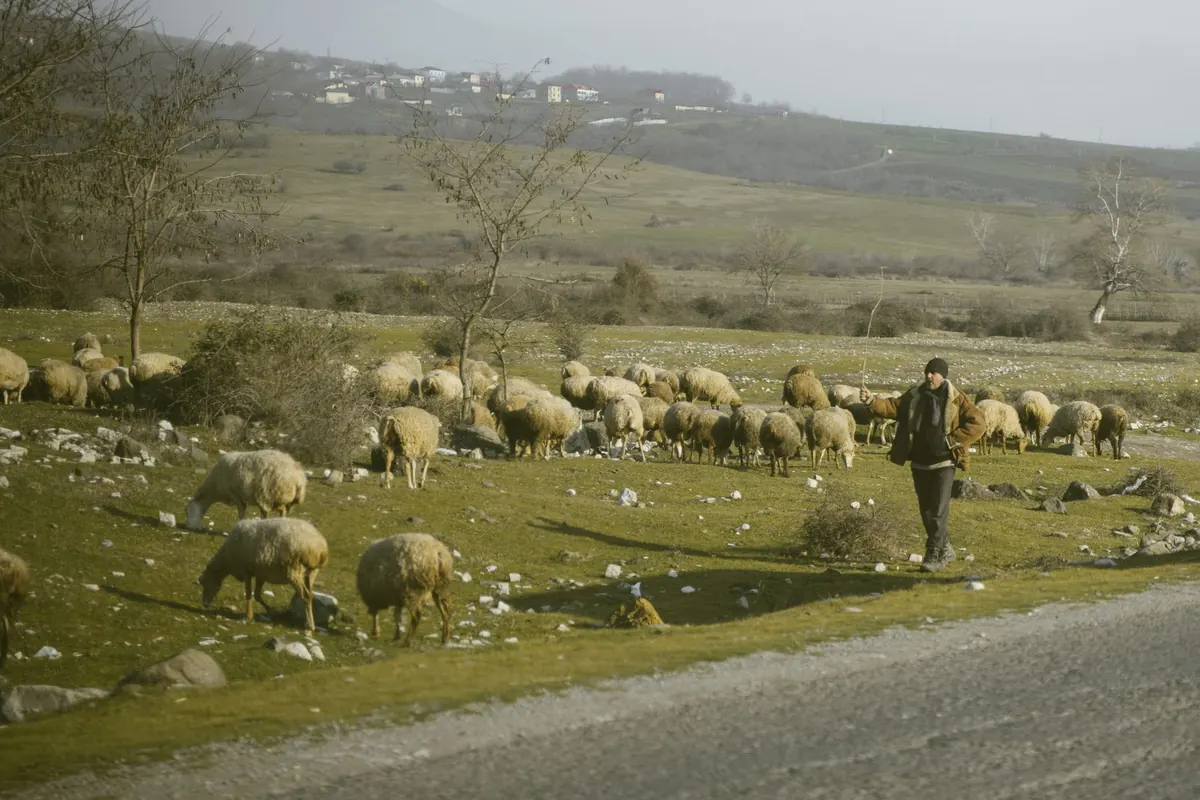
What most people do not realise is how much of this is a product of farming. Sheep and cattle grazing, controlled burning and, historically, drainage have kept trees off these hills for centuries. Leave a moor alone and birch, rowan and willow will creep in, then woodland. That transition is not a failure — it is what the land wants to do without us.
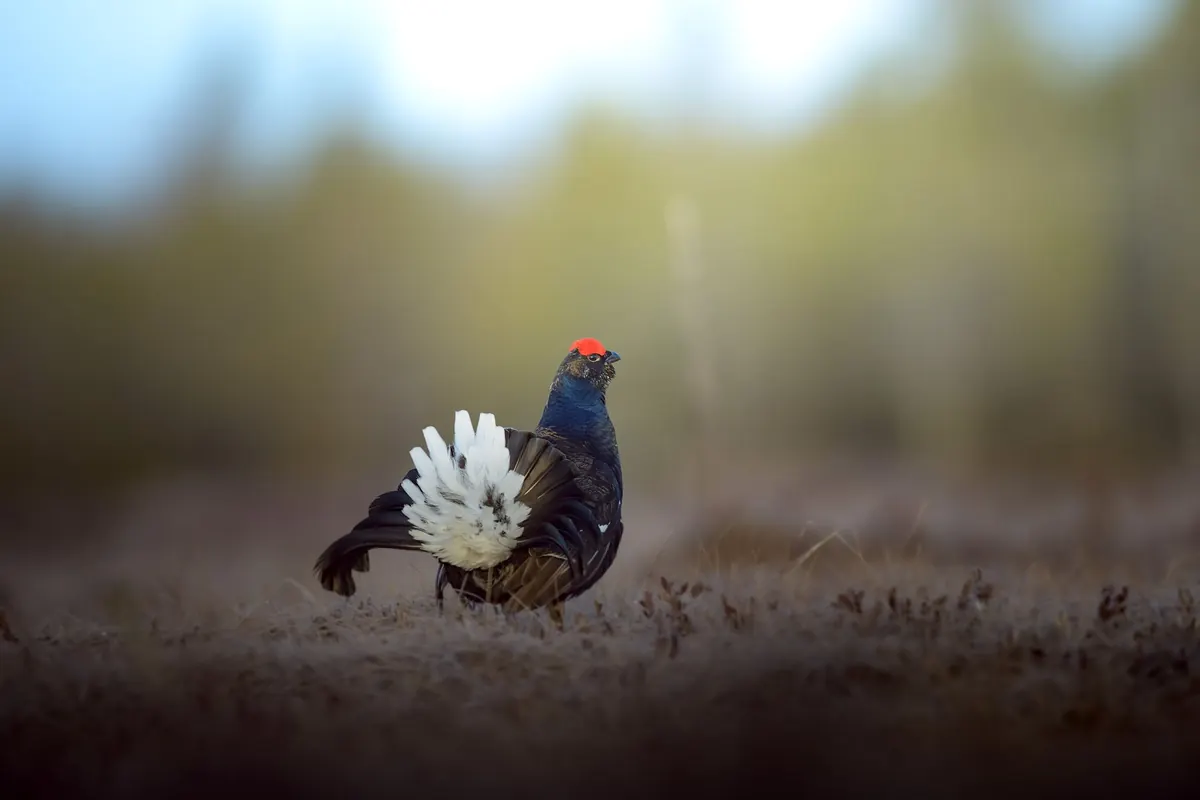
Wildlife follows the plants. Curlew, golden plover, dunlin and merlin nest in the open, red grouse depend on heather of different heights for food and cover, and mountain hares graze the higher ground in Scotland. Adders and common lizards bask on south-facing banks, and emperor moths and green hairstreaks use the heather and bilberry.
Heathland: lowland, dry and easy to lose
Lowland heath usually sits below about 300 metres on sandy or gravelly soils that are acidic and poor in nutrients. Heather and gorse dominate, with bracken, wavy hair-grass and sheep's sorrel. Bare patches of sand and gravel matter far more than they look — they warm quickly and give invertebrates and reptiles somewhere to feed and bask.
Why it exists at all
Heathland is not a natural climax. It was created and maintained by people: grazing livestock, cutting turf and bracken for fuel and bedding, and burning. When that management stops, birch and Scots pine move in and the heath closes over within a few decades. Most surviving lowland heath is on commons, old estates and former military land, which is why it is so often fringed by housing and roads.
What lives there
In Britain, sand lizards and smooth snakes are almost entirely creatures of southern heathland, alongside adders and common lizards. Nightjars churr at dusk, Dartford warblers and stonechats work the gorse, and woodlarks sing overhead. Silver-studded blue and grayling butterflies need the short, warm, grazed turf that only active management produces.
Bog: the waterlogged habitat that builds its own soil
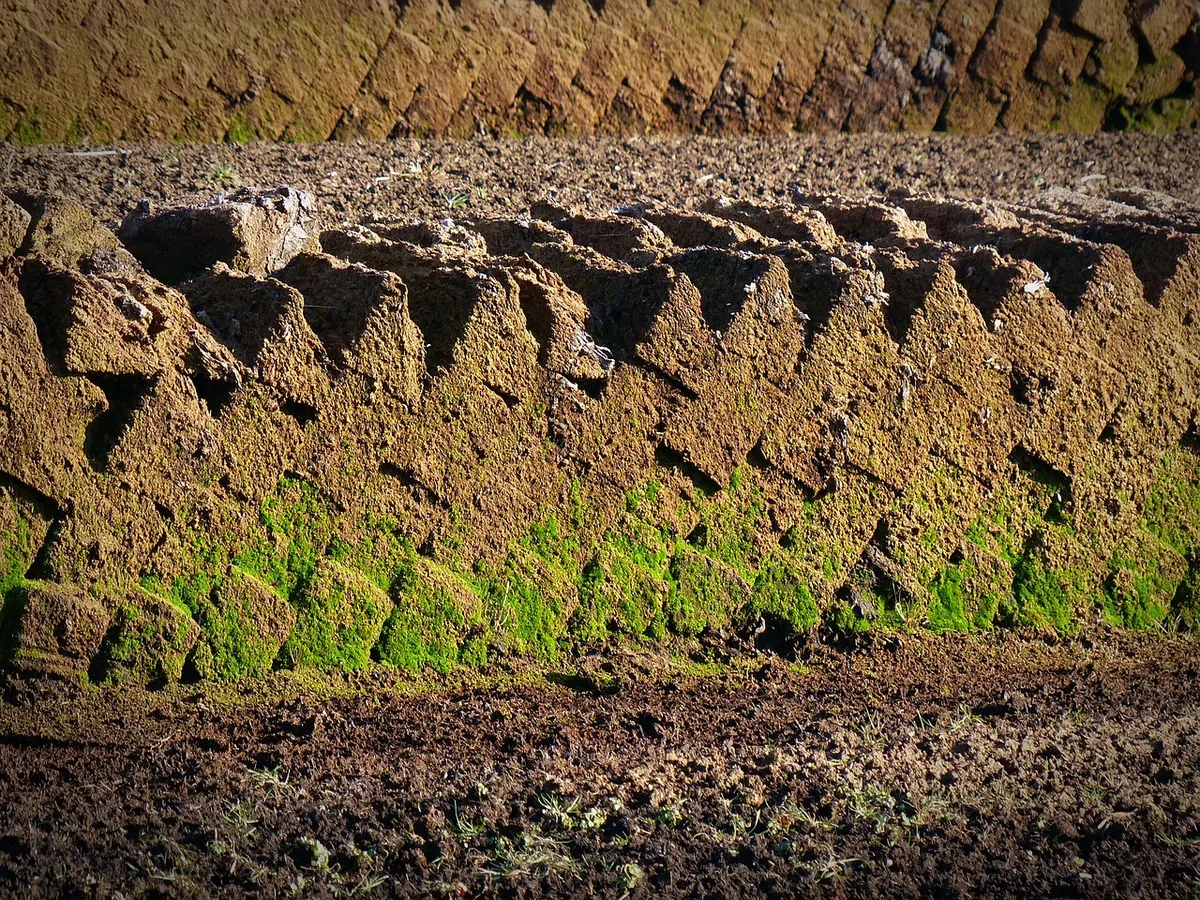
A bog is a peatland fed by rain rather than groundwater. Sphagnum mosses grow at the surface, die below it, and accumulate as peat — partly decayed plant material that holds water and carbon. The result is acid, nutrient-poor and permanently wet. Peat soils are generally those with a surface layer of at least 30 centimetres of this material, though bogs commonly run far deeper.
Two types dominate in Britain. Blanket bog spreads across gently sloping uplands and wet plateaus in high-rainfall areas. Raised bog forms domes in lowland basins, sometimes sitting on older fen peat. Fen is the habitat people confuse with bog most often: it is fed by mineral-rich water and supports reeds, sedges and different mosses, so it is greener and more productive.
On a good bog you will find sphagnum in several colours, hare's-tail cotton grass, cross-leaved heath, bog asphodel, bog rosemary and, in the far north, cloudberry. Round-leaved sundew traps insects to supplement a diet short on nutrients. Large heath butterflies and black darter dragonflies breed there, and waders such as dunlin and greenshank nest on the wettest Scottish flows.
Where the lines blur
Moorland is a broad term for open, uncultivated upland rather than a strict botanical category. Many British moors are a patchwork of dry heath, wet heath, blanket bog and acid grassland, so you can be standing on genuine blanket bog and still be perfectly correct in calling it moor.
Heathland and moorland share most of their plants. The differences are altitude, climate, soil depth and land use. A Surrey heath and a Welsh upland heath may look botanically similar while supporting different wildlife and needing different management. Bog, by contrast, is defined by how it works rather than where it is. If peat is forming and rain is the main water source, it is bog, whether it lies at sea level in Ireland or high in the Scottish hills.
Conservation challenges: shared problems, different fixes
All three habitats face pressure, and the remedies are not interchangeable.
- Drainage. Moorland grips and bog ditches lower the water table and dry out peat. Blocking them lets sphagnum recover and keeps carbon in the ground.
- Grazing balance. Too many sheep strip heather to the moss; too few let scrub take over. Conservation grazing with cattle or hardy native breeds often hits the middle.
- Burning and cutting. Rotational burning on grouse moors can damage peat and dry the surface. Cutting or mowing heather is often gentler, especially on wet ground.
- Tree planting. Woodland creation is valuable, but planting on deep peat damages bog and releases carbon. Keep trees on mineral soils and leave peat open.
- Fragmentation. Lowland heath is frequently small and hemmed in by housing, roads and golf courses, which limits how wildlife can move.
- Recreation pressure. Wildfires, eroded paths and disturbance of ground-nesting birds are the main visitor impacts. Stay on paths, never light fires, and keep dogs close during the nesting season.
Reading the ground under your boots
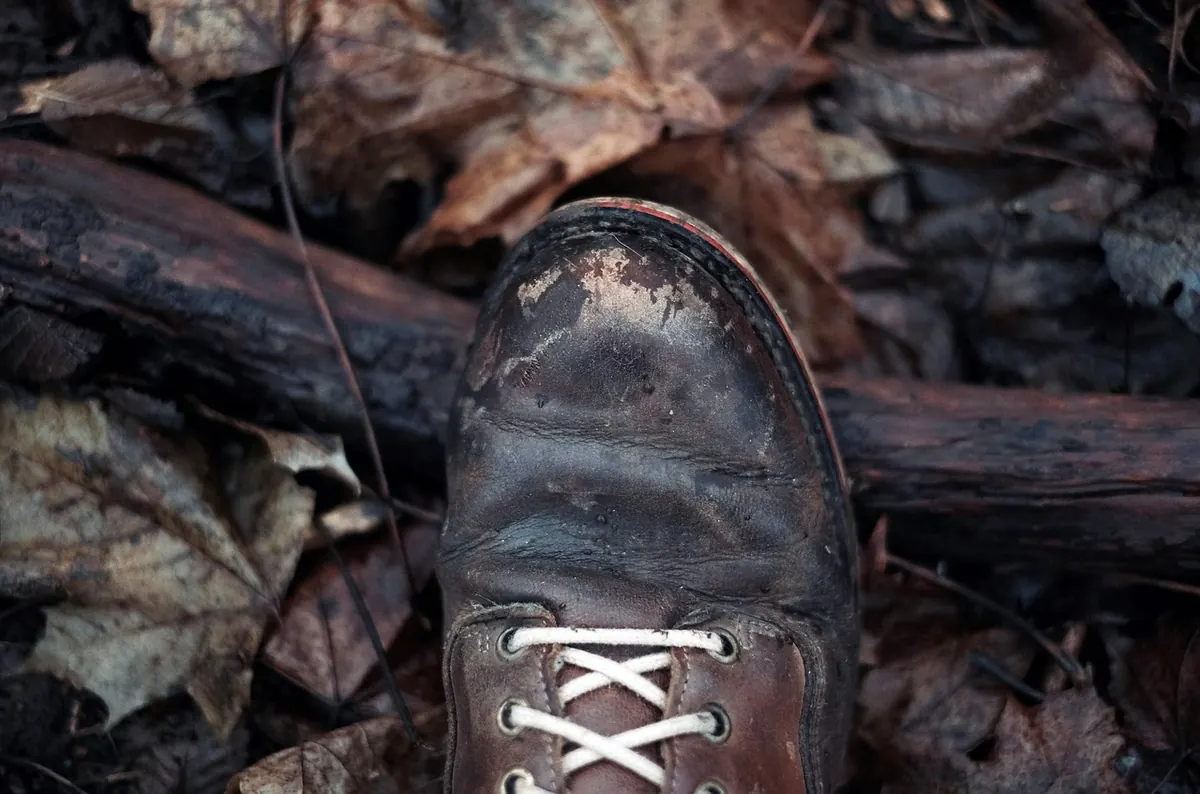
You can usually work out where you are within a few steps. If the ground sinks, water rises around your boots and you can see pale star-shaped sphagnum or cotton grass with white tufts, you are on bog. If the surface is firm and sandy, with knee-high heather and gorse, and the sea or a town is somewhere below you, that is heathland. If you are above the last hedged fields, the view is wide, and bilberry, purple moor-grass and curlew calls surround you, you are on moorland.
One habit worth building: look down before you look up. Peat, sand and moss tell you more about which habitat you are standing in than any signpost. And if you want to help, the most useful things are local — join a wildlife trust work party, support peatland restoration where you walk, and report fires or damaged paths to the land manager.
Photo: bernswaelz / Pixabay
Related Articles