Hiking Trails
Common Mistakes on Upland Hikes (and How to Avoid Them)
The first time cloud drops onto a moor, the landscape you studied over breakfast vanishes in minutes. Grey above, grey below, and a path that was obvious a moment ago is now a smear of mud running in three directions at once. Most upland mistakes are not dramatic. They are small decisions made early in the day that only become expensive hours later.
Assuming the Path Will Look After You
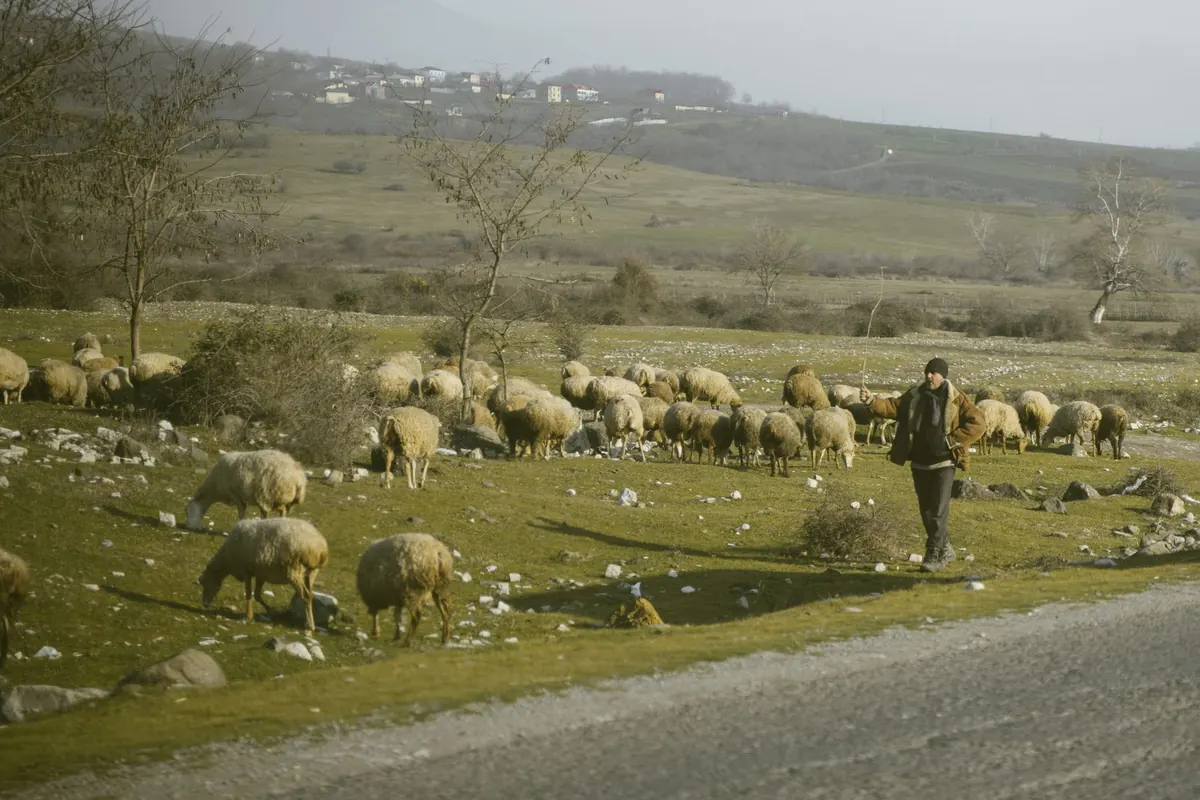
On a lowland walk, a path is usually a fact. On open moorland it is closer to a rumour. Tracks braid, fade into sheep trods, and reappear twenty metres to the left. A trod worn by livestock can look exactly like a right of way, and the ground underfoot gives nothing away until you are halfway across a wet flush with no easy way back.
The fix is not to memorise the whole route. It is to always know two things: where you are now, and what you would do if visibility fell to thirty metres. That means carrying a map and compass you can actually use, and checking them while you can still see landmarks. Turn around often. The view on the way back never looks quite like the view on the way out.
Navigation habits worth building
- Take a bearing for your next leg before you leave a known point, not after.
- Note two handrails — a wall, a stream, a fence line, a ridge — that will catch you if you drift.
- Time your legs and compare. If a twenty-minute leg takes forty, something is off.
- Treat the phone as a second opinion rather than the plan. Cold drains batteries, so keep it close to your body and carry a paper map anyway.
Underestimating Bogs
Bogs are not just wet. They are slow. Peat country is a maze of tussocks, hollows, groughs and haggs, and every step becomes a small decision: hump, hump, gap, and suddenly you are knee-deep in black water with a boot full of cold. Do that a few hundred times and your pace halves, your legs tire, and your temperature drops. A bog does not have to be dangerous to ruin a day. It only has to be tedious for three hours.
Crossing wet ground without losing the plot
- Test ahead with a pole rather than committing your full weight.
- Step on the tussocks and firm humps; they are often connected underground.
- Follow high ground even when the trod runs low. Worn lines frequently head straight into the wettest ground.
- Wear gaiters and pack dry socks in a sealed bag. Dry feet at lunch are worth more than a slightly lighter pack.
Ignoring Weather That Isn't Yours Yet
The weather at the car park is not the weather on the plateau. Still and mild at the road can be several degrees colder with a strong wind two hundred metres higher, and that combination finds every gap in your clothing.
Check the forecast for the tops rather than the town: wind speed and direction, visibility, and when rain is expected. Then set a turnaround time before you set off, while you are still thinking clearly — not at the point where you have already invested three hours and badly want the summit.
If you find yourself negotiating with yourself about the conditions, that is usually the answer. Cloud building from one direction, a wind that backs round, a sudden drop in temperature: these are signals to shorten the route. The hill will still be there next month.
Dressed for the Car Park, Not the Summit
Cotton is comfortable until it gets wet, and then it stays wet and pulls heat out of you. A simple layering system — wicking base layer, fleece or light synthetic mid layer, windproof and waterproof shell — handles almost anything an upland day can produce. Add a spare warm layer, hat, gloves and a spare pair of gloves, and keep the waterproof jacket near the top of the pack rather than buried under the flask and the sandwiches.
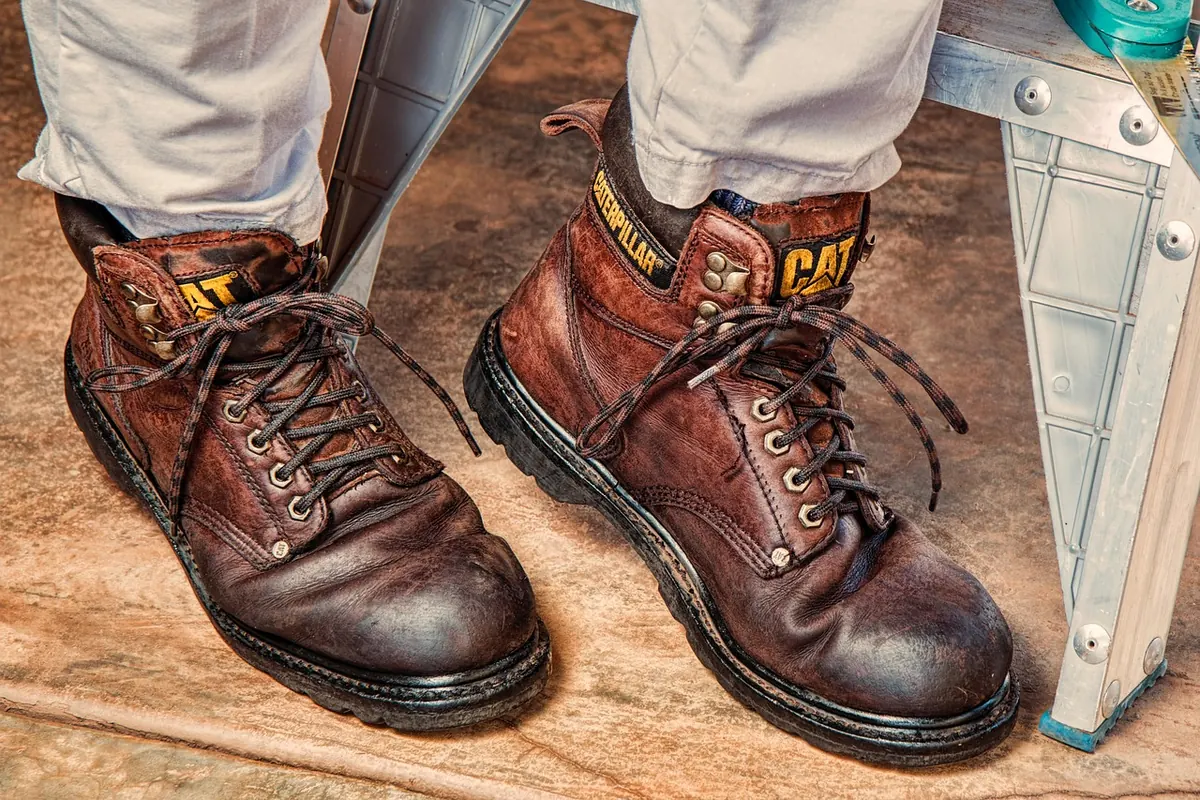
Boots need real tread and should be broken in; blisters end as many walks as bad weather does. If you have a heart, lung or joint condition, or you are returning after illness or injury, speak to a doctor or physio before planning a long day on rough ground.
Starting Late, Moving Slower Than You Think
On tussocky, pathless ground, two kilometres an hour is a realistic pace for many walkers, and one is not unusual in deep heather with a full pack. A route that reads as four hours on the map can easily take seven. Add stops, navigation checks and the bog you did not plan for, and late afternoons become very short indeed in autumn and winter.
Plan around the slowest person in the party, add a margin, and carry a headtorch even on a short summer walk. Tell someone where you are going, which route you intend and when you expect to be back — then message them if the plan changes.
Letting the Group Drift Apart
Groups rarely split on purpose. It happens gradually: the fast two pull ahead on a climb, the slowest stops to adjust a boot, and a bend in the path does the rest. On a moor, "just around the corner" can mean out of sight for an hour.
Agree that nobody goes out of sight of the person behind. Name a meeting point at each junction. Make sure at least two people can navigate, because the strongest walker should not be the only one who has seen the map. If someone is struggling, slow the whole group down. That single decision keeps an ordinary day ordinary.
Before You Leave: A Ten-Minute Routine
Most of the mistakes above shrink to nothing with a short, boring check at the car park.
- Read the summit forecast, especially wind speed and visibility.
- Mark the route on a paper map and take a bearing for the first leg.
- Set a turnaround time and tell someone your plan.
- Pack layers, waterproofs, food, water, headtorch, first aid and spare socks.
- Look at the sky, and stay willing to change your mind.
The moors reward patience more than ambition. Go a little slower, look around more, and turn back when the day asks you to. That is not a failed walk. It is a good one, finished properly.
Photo: stevepb / Pixabay
Related Articles